
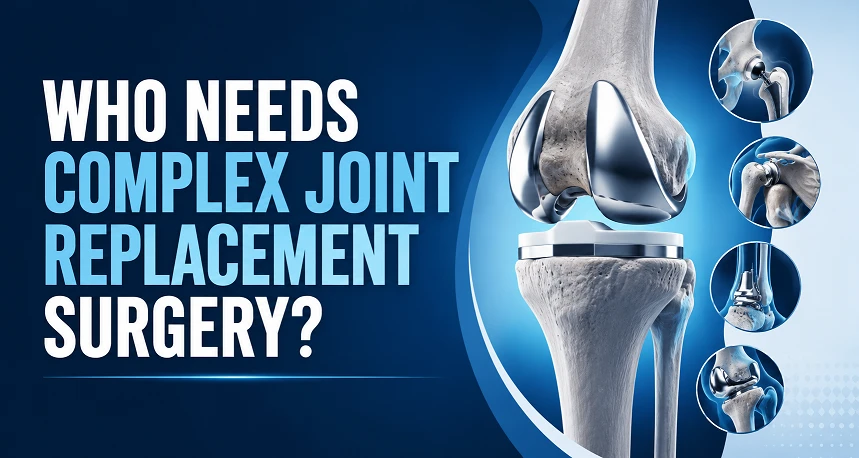
Who Needs Complex Joint Replacement Surgery? Understanding Your Treatment Options
When most people hear the words “joint replacement surgery,” they often imagine a routine procedure with a straightforward recovery. However, not every case is simple. Some patients are told that their situation is more complicated because of previous surgeries, severe arthritis, bone loss, infections, or damage to the joint.
Hearing that you need a “complex joint replacement” can feel overwhelming. You may wonder if surgery is riskier, whether you’ll recover fully, or if there are still treatment options available.
The good news is that advances in orthopedic surgery have made it possible to successfully treat even the most challenging joint conditions. With the right evaluation and an experienced specialist, many patients regain mobility, reduce pain, and return to the activities they enjoy.
In this guide, we’ll explain who needs complex joint replacement surgery, how it differs from standard joint replacement, and what you can expect if you require specialized care.
What Is Complex Joint Replacement Surgery?
Complex joint replacement surgery refers to advanced procedures used to treat patients whose joint problems go beyond a routine hip or knee replacement.
Unlike primary joint replacement surgery, complex procedures often involve unique challenges that require specialized planning, advanced techniques, and extensive experience.
Complex joint replacement may involve:
- Replacing a failed joint implant
- Treating severe bone loss
- Correcting major deformities
- Managing joint infections
- Reconstructing joints damaged by trauma
- Performing revision surgery after a previous replacement
These procedures often require customized solutions tailored to each patient’s specific needs.
Who Needs Complex Joint Replacement Surgery?
Several situations can make a joint replacement more complex.
Patients With Failed Joint Replacements
Joint replacements are designed to last for many years, but they do not last forever.
Some patients experience implant failure due to:
- Wear and tear over time
- Implant loosening
- Infection
- Instability
- Fractures around the implant
When this happens, revision joint replacement surgery may be necessary to restore function and relieve pain.
Patients With Severe Bone Loss
Bone loss can occur because of:
- Advanced arthritis
- Previous surgeries
- Implant loosening
- Osteoporosis
In these cases, surgeons may need to rebuild or reinforce the bone before placing a new implant.
Bone reconstruction techniques often play an important role in achieving a stable and long-lasting outcome.
You might also like: Why Waiting Too Long for Joint Replacement Hurts Recovery
Patients With Significant Joint Deformities
Some patients develop severe deformities that change the shape and alignment of the joint.
Examples include:
- Bow-legged knees
- Knock knees
- Hip deformities from childhood conditions
- Severe arthritis-related changes
Correcting these deformities requires specialized surgical planning and expertise.
Patients With Previous Trauma or Fractures
A history of fractures near the hip or knee can make future joint replacement more challenging.
Previous injuries may result in:
- Scar tissue
- Altered anatomy
- Bone defects
- Hardware from earlier surgeries
Complex reconstruction techniques may be needed to achieve the best results.
Patients With Joint Infections
An infected joint replacement is one of the most serious complications in orthopedic surgery.
Treatment may involve:
- Removing the infected implant
- Treating the infection with antibiotics
- Performing staged reconstruction
- Implanting a new joint after the infection clears
Managing these cases requires experience and careful coordination.
Patients Requiring Revision Surgery
Revision joint replacement means replacing all or part of an existing implant.
Revision procedures are often more technically demanding than primary surgery because surgeons must address:
- Damaged bone
- Scar tissue
- Implant removal
- Soft tissue balancing
Revision surgery can offer significant pain relief and improved mobility when performed by an experienced specialist.
Patient Resources: Patient Forms | Scottsdale Surgeon – Matthew Russo, MD
What Are the Signs That Your Joint Replacement May Be Failing?
Not every ache means something is wrong. However, certain symptoms should not be ignored.
Common warning signs include:
- Persistent or worsening pain
- Swelling around the joint
- Difficulty walking
- Joint instability
- Reduced range of motion
- Clicking or grinding sensations
- A feeling that the implant is loose
- Increased stiffness
- Pain during weight-bearing activities
Quick Checklist
You should seek evaluation if you:
- Have pain that continues to worsen
- Notice new swelling around the joint
- Feel your joint giving out
- Have trouble completing daily activities
- Experience pain years after your replacement
Early evaluation can help identify problems before they become more severe.
How Is Complex Joint Replacement Different From Standard Surgery?
Complex joint replacement requires a higher level of expertise and preparation.
Advanced Planning
Surgeons often use detailed imaging studies to understand the anatomy and create a surgical plan.
Specialized Implants
Some patients require implants specifically designed to address bone loss, instability, or unusual anatomy.
Bone Reconstruction
Bone grafts or augmentation techniques may be used to rebuild damaged areas.
Longer Surgical Procedures
Complex surgeries may take more time due to the challenges involved.
Greater Surgical Expertise
Because these cases involve unique problems, choosing a surgeon experienced in revision and complex reconstruction is especially important.
How Are Patients Evaluated?
Every patient undergoes a thorough evaluation before treatment recommendations are made.
Physical Examination
Your surgeon will assess:
- Pain location
- Joint stability
- Mobility
- Strength
- Walking pattern
Imaging Studies
Diagnostic tests may include:
- X-rays
- CT scans
- MRI scans in select cases
These studies help identify implant position, bone loss, and structural problems.
Medical History
Your surgeon will review:
- Previous surgeries
- Current symptoms
- Existing medical conditions
- Medications
Blood Work
Blood tests may be ordered to evaluate for signs of infection or inflammation.
Infection Testing
If infection is suspected, additional testing such as joint aspiration may be necessary.
A complete evaluation helps determine the safest and most effective treatment approach.
Treatment Options for Complex Cases
Treatment depends on the cause of the problem.
Revision Joint Replacement
This involves replacing all or part of the existing implant.
Revision surgery is commonly used to treat:
- Implant loosening
- Wear
- Instability
- Mechanical failure
Bone Grafting
Bone grafts may help restore areas where bone loss has occurred.
This can improve implant stability and long-term success.
Custom Implants
In some situations, specially designed implants are needed to accommodate unusual anatomy or severe bone damage.
Specialized Reconstruction Techniques
Advanced reconstruction methods allow surgeons to address difficult cases that may not have been treatable years ago.
The goal remains the same: reducing pain and restoring function.
What Is Recovery Like?
Recovery after complex joint replacement varies depending on the procedure performed.
Most patients can expect:
- A hospital stay tailored to their needs
- Physical therapy beginning soon after surgery
- Gradual improvements over several weeks and months
- Temporary activity limitations
Physical therapy plays an important role in helping patients regain strength, flexibility, and confidence.
It’s important to remember that recovery after revision surgery may take longer than recovery from a first-time joint replacement.
Patience and commitment to rehabilitation can significantly influence outcomes.
Many patients eventually return to activities such as:
- Walking comfortably
- Traveling
- Golfing
- Gardening
- Spending time with family
- Enjoying hobbies they had previously given up because of pain
Frequently Asked Questions
What makes a joint replacement complex?
Complex joint replacement involves additional challenges such as bone loss, deformity, infection, trauma, or failed implants.
Is revision surgery riskier?
Revision surgery can be more technically demanding than primary surgery. However, experienced surgeons use advanced techniques to maximize safety and outcomes.
How successful is complex joint replacement?
Many patients experience significant improvements in pain relief and function after surgery.
How long does recovery take?
Recovery varies by patient and procedure. Some patients recover within a few months, while others may require longer rehabilitation.
Can a failed joint replacement be fixed?
Yes. Revision surgery can often address problems such as loosening, instability, wear, and infection.
Will I need special implants?
Some patients benefit from specialized implants designed for complex cases.
Am I too old for revision surgery?
Age alone does not determine candidacy. Overall health and functional goals are more important considerations.
When should I see a specialist?
If you have persistent pain, worsening symptoms, or concerns about a previous joint replacement, it’s wise to seek evaluation promptly.
What Should You Do Next?
If you’re experiencing ongoing joint pain, instability, or symptoms that suggest your joint replacement may not be functioning properly, don’t ignore them.
The sooner a problem is identified, the more treatment options may be available.
If you are looking for an experienced orthopedic surgeon specializing in revision and complex joint replacement in Arizona, consider scheduling a consultation with Matthew Russo, MD.
An expert evaluation can help you understand your diagnosis, explore treatment options, and develop a personalized plan designed around your goals.
Even complex joint problems often have effective solutions. With specialized care, many patients regain mobility, restore independence, and return to the activities that matter most to them.
You don’t have to navigate this journey alone. The right treatment and the right surgical team can help you move forward with confidence.

