Early signs you may need a Knee replacement

Early Signs You May Need a Knee Replacement (Before It’s Too Late)

Knee pain doesn’t usually appear overnight. For most people, it starts quietly—a stiff morning, discomfort after a walk, or a dull ache that fades with rest. Over time, those small signs can turn into daily pain that limits how you live.

Many patients wait too long to take knee pain seriously. By the time they seek help, their quality of life has already suffered. Knowing the early warning signs can help you take action sooner, explore your options, and avoid unnecessary frustration.

This guide is written for patients who want clarity, not pressure—so you can make decisions with confidence.

Why Knee Pain Shouldn’t Be Ignored

The knee is one of the hardest-working joints in the body. It supports your weight, absorbs shock, and allows you to move freely. When the joint begins to wear down—often due to arthritis or injury—it doesn’t heal on its own.

Ignoring early symptoms can lead to:

  • Increased joint damage
  • Muscle weakness and instability
  • More complex surgery later
  • Longer recovery times

Addressing knee issues early often leads to better outcomes.’

Early Signs You May Need a Knee Replacement

1. Persistent Knee Pain That Doesn’t Improve

If knee pain lasts for months and doesn’t improve with rest, medication, or physical therapy, it may be a sign that the joint has significant wear.

Pain that:

  • Returns daily
  • Wakes you up at night
  • Limits normal activities

…should not be brushed off as “just aging.”

2. Stiffness That Limits Your Movement

Many patients notice stiffness first thing in the morning or after sitting for long periods. When stiffness begins to limit bending, straightening, or walking comfortably, it often signals joint deterioration.

Over time, this stiffness can make everyday tasks feel exhausting.

3. Swelling That Keeps Coming Back

Occasional swelling after activity is common. But recurring or constant swelling—especially without injury—can indicate ongoing inflammation inside the knee joint.

Chronic swelling often means the joint surface is no longer functioning smoothly.

4. Knee Pain During Simple Activities

Pain while walking short distances, climbing stairs, standing from a chair, or getting out of a car is a major red flag.

When everyday movements become painful, it’s a sign the knee joint is no longer providing the support it should.

5. Grinding, Clicking, or Popping Sensations

Many patients describe a grinding or crunching feeling inside the knee. These sounds often come from bone rubbing against bone due to cartilage loss.

While not always painful at first, these sensations usually worsen over time.

6. Feeling Unstable or “Off Balance”

If your knee feels like it might give out, buckle, or shift unexpectedly, it could indicate joint damage or muscle weakness caused by chronic knee pain.

Instability increases the risk of falls and injuries.

7. Pain That Changes How You Live

One of the most important signs isn’t physical—it’s emotional.

If knee pain is causing you to:

  • Avoid social activities
  • Give up hobbies or exercise
  • Feel frustrated or exhausted
  • Rely on pain medication

…it may be time to consider long-term solutions.

Do These Symptoms Always Mean Knee Replacement?

Not necessarily.

Early on, many patients benefit from:

  • Physical therapy
  • Activity modification
  • Anti-inflammatory treatments
  • Injections

However, when these options stop providing relief, knee replacement may become the most effective way to restore comfort and mobility.

What Happens If You Wait Too Long?

Delaying evaluation can lead to:

  • Increased joint deformity
  • Loss of muscle strength
  • Reduced surgical outcomes
  • Longer recovery periods

Many patients say their biggest regret is waiting too long to seek help.

What Patients Worry About Most (Honest Answers)

Is knee replacement my only option?

No. Surgery is considered only after conservative treatments are no longer effective.

Am I too young or too old?

Age matters less than pain level, function, and overall health. Many active adults benefit from earlier intervention.

Will I be able to walk normally again?

Most patients regain mobility, stability, and confidence after recovery.

How long does recovery take?

Recovery varies, but many patients resume daily activities within weeks and continue improving over several months.

When Should You Talk to a Specialist?

If knee pain:

  • Interferes with daily life
  • Persists despite treatment
  • Continues to worsen

…it’s time to consult a knee specialist. An evaluation doesn’t mean surgery—it means understanding your options.

The Goal of Knee Replacement Today

Modern knee replacement isn’t about “getting by.” It’s about:

  • Reducing pain
  • Restoring movement
  • Regaining independence
  • Improving quality of life

With today’s techniques, many patients return to activities they thought were behind them.

You might also read:

Partial Knee Arthroplasty

What is Minimally Invasive Total Knee Replacement?

Expert Guidance Makes the Difference

If you’re experiencing early signs of knee deterioration, Scottsdale Orthopedic Surgeon, Knee and Hip Specialist – Dr. Matthew Russo, MD can guide you properly. With extensive experience in advanced joint replacement and a patient-focused approach, Dr. Russo helps individuals understand their condition and choose the right path forward—at the right time.

Final Thought for Patients

Listening to your body isn’t giving up—it’s taking control. Recognizing early signs and seeking expert advice can help you stay active, independent, and pain-free longer than you might expect.

If knee pain is changing how you live, don’t wait to learn your options.

Minimally Invasive Hip Replacement for Active Scottsdale Adults

Minimally Invasive Hip Replacement for Active Scottsdale Adults

If hip pain is slowing you down—but the thought of major surgery worries you—you’re not alone. Many active adults in Scottsdale want relief without giving up the lifestyle they love. That’s why minimally invasive hip replacement has become one of the most talked-about orthopedic procedures among patients who want faster recovery, less pain, and a quicker return to movement.
This guide is written for patients who want clear, honest answers—without medical jargon—so you can decide whether this option is right for you.

Why Hip Pain Is So Common in Active Scottsdale Adults

Scottsdale residents tend to stay active well into their 50s, 60s, and beyond. Golf, hiking, pickleball, cycling, and fitness training are part of everyday life—but years of movement can wear down the hip joint.

Common causes of hip pain include:

  • Osteoarthritis
  • Cartilage wear and tear
  • Previous hip injuries
  • Reduced joint space causing stiffness and pain

When non-surgical treatments no longer provide relief, hip replacement may become the best option.

What Is Minimally Invasive Hip Replacement?

Minimally invasive hip replacement is a modern surgical approach that uses smaller incisions and muscle-sparing techniques to replace the damaged hip joint.

Unlike traditional hip replacement, this method:

  • Preserves more muscle and soft tissue
  • Reduces trauma to surrounding structures
  • Helps patients recover faster

The goal isn’t just to replace the joint—it’s to help patients get back to living with confidence and comfort.


Why Scottsdale Patients Are Choosing Minimally Invasive Techniques

Active adults in Scottsdale often choose minimally invasive hip replacement because it aligns with their lifestyle goals.

Key benefits include:

  • Less post-surgical pain
  • Shorter hospital stay (often same day or next day)
  • Faster return to daily activities
  • Smaller scars
  • Improved mobility sooner

Many patients are walking the same day and returning to light activities much faster than with traditional surgery.


Who Is a Good Candidate for Minimally Invasive Hip Replacement?

This procedure is ideal for many—but not all—patients. You may be a good candidate if you:

  • Have ongoing hip pain that limits daily life
  • Have not found relief with injections or therapy
  • Want to return to an active lifestyle
  • Are generally healthy enough for surgery

A personalized evaluation is essential. Factors like bone structure, body type, and overall health all play a role in determining the best approach.


What Patients Want to Know Most (Answered Simply)

Will I be able to walk right after surgery?

Yes. Many patients begin walking the same day with support and guidance.

How long is recovery?

Most patients resume normal daily activities within weeks—not months. Full recovery varies, but progress is often quicker than expected.

Will I need physical therapy?

Yes. Physical therapy plays a key role in restoring strength, balance, and confidence.

Can I return to golf, hiking, or pickleball?

In most cases, yes. Many Scottsdale patients return to low-impact sports once fully healed.

Is minimally invasive hip replacement safe?

When performed by an experienced orthopedic surgeon, it is a safe and proven option with excellent outcomes.


Life After Hip Replacement: What Patients Can Expect

One of the biggest fears patients have is losing mobility. In reality, most patients experience the opposite.

After recovery, many report:

  • Less pain than before surgery
  • Improved range of motion
  • Better sleep
  • Increased confidence in movement

The goal is not just pain relief—but a better quality of life.


Why Early Evaluation Matters

Waiting too long can lead to:

  • Increased stiffness
  • Muscle weakness
  • More complex surgery

Seeing a specialist early helps determine the right timing and approach, often leading to better outcomes.

How Minimally Invasive Hip Replacement Fits an Active Scottsdale Lifestyle

Scottsdale is known for wellness, movement, and year-round outdoor activity. Patients here don’t want to “slow down”—they want solutions that keep them moving.

Minimally invasive hip replacement supports:

  • Faster return to independence
  • Active retirement years
  • Long-term joint durability
  • Confidence in everyday movement

It’s not about doing less—it’s about getting back to doing what you love.

Is Hip Replacement the Right Choice for You?

The right decision starts with education and expert guidance. Every patient’s hip condition, goals, and expectations are different.
That’s why choosing the right specialist matters.


Expert Guidance Matters

If you’re considering hip replacement or exploring treatment options, Scottsdale Orthopedic Surgeon, Knee and Hip SpecialistDr. Matthew Russo, MD can guide you properly. With a patient-focused approach and expertise in advanced joint replacement techniques, Dr. Russo helps active adults understand their options and choose the path that best supports long-term mobility and quality of life.


Final Thought for Patients

Hip pain doesn’t have to define your future. With today’s minimally invasive techniques, relief is possible—and recovery doesn’t mean giving up the lifestyle you enjoy.

If you’re an active adult in Scottsdale wondering whether hip replacement is right for you, the first step is simply getting informed.

The Rise of Robotic and Navigation-Assisted Hip Surgery in Arizona

The Rise of Robotic and Navigation-Assisted Hip Surgery in Arizona

Clear, patient-friendly guide to what robotic and navigation-assisted hip replacement means for people in Phoenix, Scottsdale, Tucson and across Arizona.

Hip surgery has changed a lot in the past decade. New tools – robotic arms, computer navigation and 3-D planning software – are helping surgeons plan and perform hip replacements with more precision. In Arizona, more hospitals and surgical centers are offering these technologies. For patients, that can mean a smoother operation, fewer surprises and a recovery that may be faster than older methods.

The following guide explains, in plain English, what robotic and navigation-assisted hip surgery is, how it’s different from a traditional hip replacement, who may benefit, what the risks are, and what to expect before, during, and after surgery. It also includes how to choose a surgeon and where to get more information in Arizona.

What is robotic and navigation-assisted hip surgery?

Robotic and navigation-assisted hip surgery refers to tools that help orthopedic surgeons plan and place hip implants more precisely. There are two related ideas.

  • Computer navigation (image-guided surgery): This uses special software and real-time tracking to show the surgeon exactly where instruments and implants are positioned during the surgery. It’s like having a GPS for the hip.
  • Robotic assistance: a robotic system assists the surgeon in performing portions of the operation. The robot does not perform the surgery autonomously but is instead controlled by the surgeon. The robot enhances precision when making the bone cut or positioning the implant. Before surgery, the team often uses a CT scan or X-ray to create a 3-D plan. During the surgery itself, navigation tools or a robotic arm help the surgeon follow that plan very closely.

How does it differ from standard hip replacement?

Traditional hip replacement depends on the surgeon’s experience, direct sight, and manual instruments to prepare the bone and place the implant. That method can be excellent; many experienced surgeons get great results.

You might also read: Types of Hip Replacement Surgery: What You Should Know

Robotic and navigation systems add data and guidance.

  • They allow the surgeon to plan an implant size and position on a 3-D model of your hip with precision.
  • They help in aligning the implant to your anatomy and leg length more precisely.
  • They can reduce small placement errors that, over time, affect implant wear or hip function.

In other words, the surgeon performs the operation but the technology allows for a higher degree of precision and feedback.

Why is precision important?

Proper implant positioning and alignment are important for several reasons:

  • Better Function: It allows the hip to move in its natural way.
  • Lower dislocation risk: Thus, a well-placed implant has less likelihood of dislocating.
  • Longer implant life: Optimal alignment can reduce uneven wear of the components.
  • Balanced leg length: The precise restoration of leg length helps avoid limping and back pain.

In that case, robotic and navigation tools are designed to enhance the possibility of meeting such results.

Who is a good candidate for robotic or navigation-assisted hip surgery?

Many patients who are in need of a total hip replacement might be considered for these technologies, but candidacy is dependent on individual health and anatomy. Typical candidates include:

  • Individuals with severe hip pain due to osteoarthritis, rheumatoid arthritis, or avascular necrosis.
  • Patients seeking total hip replacement who wish for an accurate surgical plan.
  • Individuals with complex anatomy, such as previous fractures, deformities, or prior hip surgery, where planning and accuracy are invaluable.
  • Patients cleared for surgery, having realistic expectations and social support for recovery.

Certain conditions or insurance limitations might make a surgeon avoid robotic assistance. The best way to determine if this is right for you is to discuss it with a board-certified orthopedic surgeon who offers robotic or navigation-assisted options-for example, specialists practicing in Phoenix or Scottsdale.

Benefits patients may notice

Although each patient is unique, possible benefits include the following:

  • Greater implant accuracy compared to manual placement.
  • Better restoration of leg length and hip offset results in improved comfort and gait.
  • The potential for fewer complications related to implant positioning.
  • Shorter hospital stays, combined with modern pain control and rehabilitation protocols.
  • Improved long-term function and possibly longer implant life with optimization of alignment.

It is important to understand that technology supports but does not guarantee outcomes; surgical skill and patient health are critical.

Risks and limitations

Robotic and navigation-assisted surgery is generally safe, but it has limits and risks similar to traditional hip replacement:

  • Surgical risks may include infection, blood clots, nerve or vessel injury, and anesthesia risks.
  • Technology limits: equipment malfunction and registration errors, though rare, may occur.
  • Cost and availability: Robotic systems add expenses and are not available at every center.
  • No guarantee: while precision improves, long-term implant survival also depends on activity level, weight, and implant design.

Your surgeon will discuss specific risks and how they are managed in their program.

What to expect before surgery

  • Consultation and evaluation: Your surgeon evaluates symptoms, medical history, medications, and overall fitness for surgery. Expect X-rays or CT scans if needed for planning.
  • 3-D planning: If robotic/navigation tools are being used, then the team will have created a 3-D plan based on imaging. You may review implant options and expected leg-length outcomes.
  • Pre-operative workup will include: Labs, heart testing, and medical clearance if indicated. Review medications to stop and to continue.
  • Insurance and cost discussion: Ask whether robotic or navigation support is covered by your insurer and what out-of-pocket costs you may face. Coverage varies.

What happens on the day of surgery?

  • You will arrive early at the surgical center or hospital.
  • Anesthesia is administered (spinal or general, whichever is applicable in your case).
  • The surgeon uses the navigation system or robotic arm as planned. At all times, you remain under the surgeon’s control.
  • Surgery for a total hip replacement will generally take 1–2 hours.
  • After the procedure, you’ll spend time in recovery. Many patients at modern centers are able to start walking with assistance on the same day or the next day.

Recovery and rehabilitation

Recovery is very similar to traditional hip replacement but can be quicker in some programmes:

  • Early mobility: Many patients walk with a walker or cane within hours to a day after surgery.
  • Physical therapy: You’ll follow a physical therapy plan designed to restore strength and mobility.
  • Pain control: Modern multimo¬dal pain management reduces opioid needs.
  • Return to activities: Light daily activities in a few weeks; many return to driving and some work within 4-6 weeks depending on job demands. Full recovery and high impact activities take longer and are surgeon dependent.

In Arizona, your care team will develop an individualized plan and monitor progress through follow-up visits.

Costs and insurance in Arizona

The costs of hip replacement vary widely. Robotic or navigation assistance may raise the facility or hospital charge due to the cost of equipment and preparation. Typical total costs of hip replacement in the U.S. can run into tens of thousands of dollars, and robotic technologies can add to that amount.

  • Insurance: Most insurers cover total hip replacement, but the coverage for robotic assistance is variable. Some pay for the procedure, considering the robotic support as a covered hospital expense, while others require preauthorization.
  • Out-of-pocket: Ask your provider for an itemized estimate, and check with your insurer about what is covered. The best approach is to discuss costs with the hospital billing office and your insurance plan ahead of time. Centers in Phoenix, Scottsdale and Tucson usually have staff to help estimate patient responsibility.

How to choose a surgeon in Arizona

When robotic or navigation-assisted hip surgery is discussed, consider the following:

  • Board certification and fellowship training in orthopedic joint replacement.
  • Experience with robotic/navigation systems and high case volumes.
  • Quality of the hospital or center: infection rates; joint replacement program accreditation; rehabilitation support.
  • Patient reviews and outcomes: If possible, ask for patient references.
  • Clear communication: your surgeon should explain benefits, risks, alternatives, and expected recovery.
  • Second opinion: always welcome when you want more confidence.

If you are in Scottsdale or Phoenix, set up consultations with several joint replacement surgeons and inquire about their experience and outcomes with robotics/navigation.

Questions to ask at your consultation

  • Do you offer robotic or navigation-assisted hip replacement?
  • How many of these procedures have you performed?
  • What are your complication and infection rates?
  • How will this new approach improve my specific outcome?
  • What is the expected timeline for recovery, given my age and health?
  • What costs does my insurance cover?
  • What type of implant do you recommend and why?

Good answers will be clear, evidence-based, and tailored to your needs.

Frequently Asked Questions (FAQs)

Q: Is robotic hip surgery safer than traditional hip replacement?
A: “Safer” depends on many factors. Robotic systems enhance precision, which in turn can reduce certain risks associated with implant placement. Overall safety also depends on surgeon skill and patient health.

Q: Will I have a robot do the operation?
A: No. The robot assists, but the surgeon performs and controls the procedure.

Q: Does a robot mean a smaller scar?
A: Not necessarily. Minimally invasive techniques can mean smaller incisions, but the size of the incision depends on the surgical approach rather than the robot itself.

Q: Are the results better using robotic assistance?
A: Many studies show improved alignment and early functional benefits. The long-term results depend on numerous factors. Current data is promising and still growing.

Q: How long before I can return to normal life?
A: Many patients resume light activities within a few weeks. Full recovery usually takes 3–6 months, depending on fitness and adherence to rehab.

Final thoughts

Both robotic and navigation-assisted hip surgery represent meaningful evolution in orthopedic care. For many Arizona patients, these technologies offer a higher level of planning and precision that might translate to better function and fewer complications related to implant placement. Technology is but one piece of the puzzle, however. Surgeon experience, hospital quality, patient health, and a solid rehabilitation plan are equally-if not more-important. If you are considering hip replacement, make an appointment with a board-certified orthopedic surgeon in your area to discuss your options. Inquire about their experience with robotic and navigation systems, and discuss the benefits and costs in your case. Those conversations will help you make an informed choice that fits your health goals and lifestyle.

For local guidance in Scottsdale or Phoenix, consider consulting a trusted joint replacement specialist who can evaluate your condition and explain the options to you in plain language.

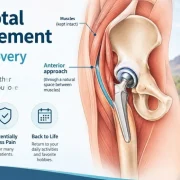
Anterior Hip Replacement in Scottsdale Hip Arthroplasty

Outpatient Hip Replacement: Is Same-Day Discharge Safe?

Outpatient hip replacement, or same-day hip replacement, is becoming a more widely accepted alternative for patients who prefer a quicker recovery and greater comfort following surgery. But one question that most patients ask is: “Is it safe to leave the hospital the same day after undergoing a significant procedure like hip replacement?”

In this in-depth guide, we’ll tell you all you need to know about outpatient hip replacement: how it is done, the advantages and disadvantages, and if it’s the best option for you. We’ll also provide answers to patients’ most common questions about undergoing this procedure.

What Is Outpatient Hip Replacement?

Outpatient hip replacement is a minimally invasive surgical procedure where the patient is sent home the day of the surgery—without overnight hospitalization.

This type of surgery employs cutting-edge surgical methods, pain management techniques, and anesthesia that facilitate quicker recovery. It’s performed in a hospital or outpatient surgery facility, and patients can walk with support a few hours following the surgery.

How Is Outpatient Hip Replacement Different from Traditional Hip Surgery?

In traditional hip replacement, patients are typically admitted to the hospital for 1 to 3 days following surgery. Physicians check vital signs, control pain, and oversee the initial steps of recovery in a health facility.

In an outpatient environment, all of that occurs in a compressed time period, and the patient returns home several hours following surgery. Obviously, not everyone is a suitable candidate for this kind of procedure, and the surgeon will assess your well-being, lifestyle, and home environment before making a decision.

Is Same-Day Discharge After Hip Surgery Safe?

Yes, For appropriate patients, same-day hip replacement is a safe and well-established method. Indeed, most studies have demonstrated comparable or even superior outcomes to inpatient surgery.

Safety is related to a number of factors:

  • The patient’s overall well-being
  • The surgeon’s experience
  • Availability of home support
  • Effective pain control
  • Proper physical therapy planning

With proper screening and preparation, most patients heal as well—or better—at home as they would in the hospital.

Benefits of Outpatient Hip Replacement

These are the best benefits patients receive:

1. Improved Recovery Speed
Patients are generally more comfortable and energized while recovering at home, which enhances mobility and lowers stress levels.

2. Reduced Risk of Infection
There is always a small chance of infection from germ exposure in the hospital. Staying at home eliminates your risk for hospital-acquired infections.

3. Cost Savings
The procedure will often be less expensive since you don’t get to spend the night at the hospital.

4. More Comfortable Surroundings
Patients heal faster when surrounded by loved ones and familiar environments.

5. Faster Return to Normal Life
Since the method is less aggressive and healing begins at home, most patients resume daily life earlier.

How to Know If You Qualify for Same-Day Hip Surgery

Outpatient surgery is not suitable for all. You could be eligible if you:

  • Are in overall good health
  • Have no serious heart or lung disease
  • Are not obese
  • Are motivated to follow rehab and recovery steps
  • Have help at home for the first few days after surgery

Your orthopedic surgeon will perform a full evaluation to decide if outpatient hip replacement is the best option for you.

What to Expect on the Day of Outpatient Surgery

Here’s a general overview:

  • Arrive at the surgical center or hospital
  • You’ll receive anesthesia (usually spinal or regional)
  • The surgery takes about 1 to 2 hours
  • After surgery, you’ll wake up in the recovery area
  • Physical therapy starts within a few hours
  • Once stable, you’ll be discharged home with instructions and medication

Post-Surgery Recovery at Home

While you’ll be home, it doesn’t mean you’re on your own. Your surgeon will provide:

  • A detailed recovery plan
  • Pain medications
  • Physical therapy guidance
  • Follow-up appointments

You should have a person remain with you for a minimum of the first 24 to 48 hours to assist with movement, eating, and overall support.

Are There Risks to Outpatient Hip Surgery?

Although outpatient hip replacement is safe for the appropriate patient, no surgery is entirely risk-free. Some potential risks are:

  • Infection
  • Blood clots
  • Dislocation
  • Reaction to anesthesia
  • Delayed recovery if instructions aren’t complied with

That’s why it is crucial that surgeon screening occurs. Only patients who pass all safety measures should be cleared for outpatient treatment.

Questions & Answers: Outpatient Hip Replacement

Q1. How soon can I walk after outpatient hip replacement?
A: Most patients start walking with assistance a few hours after surgery. Your physical therapist will show you how.

Q2. Will I need physical therapy at home?
A: Yes. You have to do exercises at home. Some patients also see in-home physical therapy therapists or go to outpatient rehab.

Q3. What if things go wrong at home?
A: You’ll have a direct number to call your surgical team. If necessary, you can go to the ER or come back to the clinic.

Q4. Does it hurt to heal at home?
A: The majority of patients experience manageable pain, due to new medications and regional anesthesia. You will be given pain control instructions.

Q5. How quickly can I go back to work or everyday activities?
A: Most individuals are able to resume light activities in 2 to 4 weeks. Complete recovery typically occurs 10 to 12 weeks after surgery, based on your health and type of occupation.

Q6. Do I live alone?
A: Outpatient surgery might not be advised if you are alone. Having someone to support you is important for the initial recovery period of several days.

Q7. Am I eligible?
A: Talk with an experienced orthopedic surgeon to determine what is best for you. They will evaluate your health, lifestyle, and surgery risks.

Outpatient hip replacement is a safe and successful procedure for most patients. It has the benefit of quicker recovery, less cost, and the convenience of recovery at home—if the patient has specific health and support requirements.

If you’re experiencing chronic hip pain and wondering whether same-day discharge surgery is right for you, speaking with a trusted orthopedic expert is your first step.

Contact the Expert

Matthew Russo, MD is a board-eligible Scottsdale Orthopedic Surgeon specializing in total hip and knee replacement with the most advanced technology and minimal invasiveness.

Whether you’re interested in outpatient joint replacement or simply want to know your choices, Dr. Russo can guide you in making the best decision for your health and lifestyle.

Make your appointment today.

Types of Hip Replacement Surgery: What You Should Know

Understanding the Types of Hip Replacement Surgery

A Helpful Guide for Patients Exploring Hip Surgery Options

If you’ve been living with chronic hip pain, stiffness, or limited mobility, your doctor may recommend hip replacement surgery to improve your quality of life. This procedure is incredibly common in the United States, especially in places like Arizona, and it’s known for helping patients get back to doing the things they love—without pain holding them back.

But did you know that there are several different types of hip replacement surgery?

Depending on your age, health, lifestyle, and the cause of your hip damage, your orthopedic surgeon may recommend one type of surgery over another. Below, we’ll walk you through the types of hip replacement surgeries, what makes them different, and what to expect from each. All of this information is provided with care by Dr. Matthew Russo, a highly experienced orthopedic surgeon dedicated to helping patients make confident, informed choices.

Why Might You Need Hip Replacement Surgery?

Your hip is a ball-and-socket joint. When it works well, it allows you to walk, bend, sit, and turn with ease. But over time—or after an injury or illness—the joint can become worn out or damaged.

Common reasons for hip replacement include:

  • Osteoarthritis (wear-and-tear from aging)
  • Rheumatoid arthritis (inflammatory condition)
  • Avascular necrosis (when part of the bone dies because it’s not getting enough blood.)
  • Hip fractures(often from falls, especially in older adults)
  • Post-traumatic arthritis (from past injuries)
  • Bone tumors affecting the hip joint

When other treatments like medication, physical therapy, or injections no longer help, hip replacement becomes the most reliable option for lasting relief.

Different Types of Hip Replacement Surgery

There are three ways doctors categorize hip replacement procedures:

1. Based on What’s Being Replaced

  • Total Hip Replacement (THR)
    • Most common type of hip replacement
    • The surgeon replaces both the ball (top of the thigh bone) and the socket (part of the hip bone)
    • Best for people with severe arthritis or damage in both parts of the joint
    • Usually provides long-term relief and excellent function
  • Partial Hip Replacement (Hemiarthroplasty)
    • Only the ball of the joint is replaced
    • Often done in older patients after a hip fracture
    • Best when only the ball needs to be replaced, not the socket.
  • Hip Resurfacing
    • Rather than removing the whole bone, the doctor shapes it and protects it with metal.
    • Mostly used for younger, more active patients with strong bone density
    • Offers faster recovery, but may not last as long or be suitable for older adults

2. Based on How the Surgeon Accesses the Hip

This refers to the size of the incision and the amount of tissue affected during the surgery.

  • Traditional Hip Replacement
    • Involves a larger incision (10–12 inches)To reach the hip joint, the surgeon may need to go through some muscle.
    • To reach the hip joint, the surgeon may need to go through some muscle.
    • Still used when full access is needed, like in revision surgeries
    • May require a longer hospital stay and recovery time
  • Minimally Invasive Hip Replacement
    • Uses smaller incisions (1–2 inches)
    • Less muscle damage, less blood loss, and faster healing
    • Often done using the anterior or lateral approach
    • Not suitable for all patients—your doctor will evaluate your case

What Materials Are Used in Hip Implants?

Modern hip replacements use durable materials that can last for 15–20 years or longer.

Common materials include:

  • Metal-on-polyethylene: metal ball with a plastic socket (most common)
  • Ceramic-on-ceramic: smooth and wear-resistant
  • Ceramic-on-polyethylene: combines benefits of both

Dr. Russo uses advanced systems like the Meril  Latitude Hip Replacement System, which includes options for:

  • Cemented or uncemented femoral stems
  • Multiple head sizes for better fit
  • Long-lasting metal, ceramic, and plastic combinations

The right material for you depends on your age, activity level, bone health, and your surgeon’s recommendation.

What to Expect After Hip Surgery: Recovery & Rehabilitation

Recovery after hip replacement varies from person to person, but here’s a general idea:

  • Hospital stay: 1–3 days (shorter if you have minimally invasive surgery)
  • Walking with help: same day or next day
  • Return to light activity: 3–6 weeks
  • Full recovery: 3–6 months

Recovery Includes:

  • Physical therapy to strengthen muscles and improve movement
  • Avoiding certain positions to prevent dislocation (depending on approach)
  • Slowly resuming walking, standing, and daily tasks
  • Patients who follow their rehab plan closely tend to recover faster and with better results.

How to Choose the Right Hip Surgery for You

The right treatment depends on the patient’s health, age, and lifestyle. Your surgeon will recommend the best type of hip replacement based on:

  • Your age and health
  • Your activity level and goals
  • The condition of your bones and joints
  • Past surgeries or injuries
  • Your personal preferences

According to recent studies, the surgeon’s experience is often more important than the specific surgical approach. That’s why working with a trusted expert like Dr. Matthew Russo, MD ensures you receive the safest and most effective care.

Final Thoughts

Hip replacement surgery can be life-changing. Understanding the different types of hip replacement surgery helps you feel more prepared, confident, and in control of your health.

Whether you need a total replacement, a partial procedure, or are a candidate for minimally invasive techniques, the right choice starts with a conversation with your doctor.

Ready to Take the First Step?

Schedule your consultation with Dr. Matthew Russo today and learn which hip replacement option is right for you.

Relief is possible. Movement is possible. Your better future starts here.