What Is the Most Common Reason for Revision Surgery? Understanding Why Joint Replacements Sometimes Need a Second Procedure
Many patients who undergo hip or knee replacement surgery hope it will be the last operation they ever need. In most cases, that’s exactly what happens. Modern joint replacements are highly successful and help millions of people return to walking, traveling, exercising, and enjoying everyday life with less pain.
However, some patients experience problems months or even years after their original surgery. When pain returns or mobility begins to decline, it’s natural to ask, “Has something gone wrong?” or “Will I need another surgery?”
The good news is that needing a second procedure does not mean your first surgery failed completely. There are many reasons why a joint replacement may need attention over time, and advances in revision joint replacement surgery have made it possible to successfully treat many of these issues.
If you’ve had a hip or knee replacement and are concerned about new symptoms, understanding the most common reasons for revision surgery can help you know when to seek expert advice.
What Is Revision Joint Replacement Surgery?
Revision joint replacement surgery is a procedure performed to replace or repair a previous hip or knee replacement.
The original surgery is called a primary joint replacement. A revision procedure is considered when the existing implant is no longer functioning properly or complications develop.
Unlike primary surgery, revision procedures can be more complex because surgeons may need to:
- Remove existing implants
- Address scar tissue
- Treat bone loss
- Correct instability
- Manage infections
- Use specialized implants
Although revision surgery is often more technically demanding, it can provide significant pain relief and restore function for many patients.
You might also like: Why Waiting Too Long for Joint Replacement Hurts Recovery
What Is the Most Common Reason for Revision Surgery?
The Short Answer
The most common reason for revision joint replacement surgery is implant loosening caused by wear, bone changes, or mechanical failure over time.
This condition is known as aseptic loosening.
“Aseptic” means the loosening occurs without an infection.
What Is Aseptic Loosening?
Joint replacement implants are designed to work with your body’s natural bone structure. Over time, however, tiny changes can occur around the implant.
These changes may include:
- Normal wear of implant materials
- Small particles created from implant movement
- Bone remodeling
- Stress placed on the joint over many years
Eventually, the implant can lose its secure attachment to the bone.
When this happens, patients may begin to experience pain and instability that gradually worsens.
Why Does Implant Loosening Happen?
Several factors can contribute to implant loosening:
- Natural wear over many years
- High-impact activities
- Implant age
- Bone quality changes
- Body weight
- Individual anatomy
It’s important to remember that implant loosening doesn’t happen overnight. It often develops slowly, which is why regular follow-up visits remain important even after a successful joint replacement.
Other Common Reasons Revision Surgery May Be Needed
While aseptic loosening is the leading cause, it isn’t the only reason revision surgery becomes necessary.
Infection Around the Joint Replacement
Although uncommon, infection remains one of the most serious complications after joint replacement.
An infection may occur shortly after surgery or even years later if bacteria enter the bloodstream.
Symptoms can include:
- Increasing pain
- Redness
- Warmth around the joint
- Swelling
- Drainage
- Fever
Treatment depends on the severity of the infection and may involve antibiotics, cleaning the joint, or staged revision surgery.
Instability or Recurrent Dislocation
Some patients experience a feeling that their joint is giving out.
For hip replacements, this may involve repeated dislocations.
For knee replacements, instability can cause:
- Buckling
- Difficulty walking
- Reduced confidence during movement
Revision surgery may help restore proper alignment and stability.
Wear of Implant Components
Even durable implant materials experience wear over time.
Years of movement can gradually affect:
- Plastic liners
- Bearing surfaces
- Mechanical components
Excessive wear can lead to inflammation and damage to surrounding bone.
Fractures Around the Implant
A fall or trauma may cause fractures around an existing joint replacement.
These fractures, known as periprosthetic fractures, often require specialized treatment and sometimes revision surgery.
Older adults with weakened bones may be at increased risk.
Persistent Pain or Stiffness
Some patients continue to experience discomfort despite their original surgery.
Persistent symptoms should never be ignored.
Possible causes include:
- Implant problems
- Soft tissue issues
- Alignment concerns
- Infection
- Scar tissue formation
A thorough evaluation can help determine the cause.
Implant Malposition
The position of an implant plays a major role in its long-term success.
If components become misaligned, patients may develop:
- Pain
- Instability
- Abnormal joint mechanics
- Limited motion
Revision surgery can sometimes correct these issues.
Bone Loss
Bone loss around the implant may occur because of wear particles, loosening, or previous surgeries.
Significant bone loss can make revision procedures more complex and may require advanced reconstruction techniques.
What Are the Warning Signs of a Failed Joint Replacement?
Knowing when to seek medical advice is important.
Some symptoms deserve prompt evaluation.
Common Warning Signs Include:
- Increasing joint pain
- Swelling around the replacement
- Difficulty walking
- Reduced mobility
- Clicking or grinding sensations
- Instability or buckling
- A feeling that the implant is loose
- Pain after years of successful function
- New weakness
- Changes in walking patterns
Quick Symptom Checklist
You should contact your orthopedic surgeon if:
✓ Your pain is getting worse.
✓ Your joint feels unstable.
✓ You develop persistent swelling.
✓ Walking becomes increasingly difficult.
✓ You notice new symptoms years after surgery.
Early diagnosis often leads to more treatment options and may prevent additional damage.
How Is Revision Surgery Diagnosed?
If revision surgery is being considered, your orthopedic surgeon will perform a comprehensive evaluation.
Physical Examination
Your surgeon will assess:
- Range of motion
- Strength
- Stability
- Walking pattern
- Areas of tenderness
Medical History
You’ll discuss:
- Previous surgeries
- Current symptoms
- When symptoms began
- Medical conditions
- Activity level
X-Rays
X-rays remain one of the most important tools for identifying:
- Implant loosening
- Bone loss
- Fractures
- Changes in alignment
CT Scans
CT imaging provides a more detailed view of bone and implant positioning.
It can be especially helpful in complex cases.
Blood Tests
Blood work may help identify signs of inflammation or infection.
Common tests include ESR and CRP levels.
Joint Aspiration
If infection is suspected, your surgeon may remove a small amount of joint fluid for laboratory testing.
This information helps guide treatment decisions.
For many patients, the evaluation process brings reassurance. Even if problems are identified, modern revision techniques offer effective solutions that can restore comfort and improve quality of life.
How Is Revision Surgery Performed?
If your surgeon determines that revision surgery is the best treatment option, understanding the process can help ease anxiety and prepare you for what’s ahead.
Unlike a primary hip or knee replacement, revision surgery often requires additional planning and specialized techniques.
Implant Removal
The first step involves carefully removing part or all of the existing implant. This process must be performed with precision to preserve as much healthy bone as possible.
Bone Reconstruction
Some patients experience bone loss around the implant. In these cases, surgeons may use:
- Bone grafts
- Metal augments
- Specialized supports
These techniques help rebuild the joint and provide a stable foundation for the new implant.
Specialized Implants
Revision implants are different from standard implants.
They are designed to address:
- Bone loss
- Instability
- Complex anatomy
- Previous surgical changes
Your surgeon will select implants based on your unique situation.
Soft Tissue Balancing
The surrounding muscles, ligaments, and soft tissues play an important role in joint function.
Careful balancing helps improve:
- Stability
- Motion
- Comfort
- Overall outcomes
The goal of revision surgery is simple: reduce pain, restore mobility, and help you return to daily life with greater confidence.
What Is Recovery Like After Revision Surgery?
One of the biggest questions patients ask is, “How long will recovery take?”
The answer depends on several factors, including your overall health, the reason for revision surgery, and the complexity of the procedure.
Hospital Stay
Most patients spend a few days in the hospital after surgery.
During this time, the healthcare team focuses on:
- Pain management
- Early movement
- Preventing complications
- Preparing you for discharge
Physical Therapy
Rehabilitation usually begins shortly after surgery.
Physical therapy helps you:
- Improve strength
- Regain flexibility
- Restore balance
- Improve walking ability
- Return to daily activities safely
Recovery Timeline
Although every patient is different, general recovery expectations include:
- Walking with assistance shortly after surgery
- Continued improvement over several weeks
- Increased independence within a few months
- Ongoing progress for up to a year
Revision surgery often requires more recovery time than a first-time joint replacement. Patience and commitment to therapy are key.
Returning to Daily Activities
Many patients eventually return to activities they enjoy, including:
- Walking comfortably
- Traveling
- Golfing
- Spending time with grandchildren
- Gardening
- Low-impact exercise
Your surgeon will guide you on when it is safe to resume specific activities.
Can Revision Surgery Be Prevented?
Not every revision surgery can be avoided. However, there are steps patients can take to help protect their joint replacement.
Maintain a Healthy Weight
Excess weight places additional stress on implants.
Maintaining a healthy weight may reduce wear over time.
Prevent Infections
Simple precautions matter.
Tell healthcare providers about your joint replacement before procedures, and follow recommendations to reduce infection risk.
Attend Follow-Up Visits
Even if you feel well, regular orthopedic checkups can identify early changes before symptoms become severe.
Stay Active Safely
Exercise helps maintain strength and mobility.
Choose low-impact activities such as:
- Walking
- Swimming
- Cycling
- Golf
Avoid activities that may place excessive strain on the joint unless approved by your surgeon.
Report New Symptoms Early
Don’t assume pain is simply part of aging.
Early evaluation can lead to earlier treatment and better outcomes.
Frequently Asked Questions
What is the most common reason for revision surgery?
The most common reason is aseptic loosening, which occurs when the implant gradually loses its attachment to the bone over time.
How do I know if my joint replacement is failing?
Common warning signs include worsening pain, swelling, instability, reduced mobility, and difficulty walking.
Is revision surgery more difficult than primary surgery?
Yes. Revision surgery is often more complex because it may involve implant removal, bone reconstruction, and specialized implants.
How successful is revision surgery?
Many patients experience significant improvements in pain relief and function after revision surgery.
Can a loose implant be fixed?
Yes. Revision surgery is commonly performed to address implant loosening.
How long do joint replacements last?
Many hip and knee replacements last 15 to 20 years or longer, although longevity varies from person to person.
Is revision surgery painful?
Some discomfort is expected during recovery, but pain management strategies help patients stay comfortable throughout the healing process.
How long is recovery after revision surgery?
Recovery varies, but many patients continue improving over several months following surgery.
Can infection cause implant failure?
Yes. Infection is a serious complication that can sometimes require revision surgery.
When should I see a revision specialist?
You should seek evaluation if you experience increasing pain, swelling, instability, or changes in function after a joint replacement.
You might also like: Who Needs Complex Joint Replacement Surgery?
What Should You Do Next?
If you’ve had a hip or knee replacement and are beginning to notice new pain, instability, or difficulty with everyday activities, don’t ignore those symptoms.
Many patients assume discomfort is simply part of getting older or something they have to live with. In reality, identifying problems early may allow for more treatment options and better outcomes.
If you are looking for an experienced revision joint replacement specialist in Arizona, consider scheduling a consultation with Matthew Russo, MD.
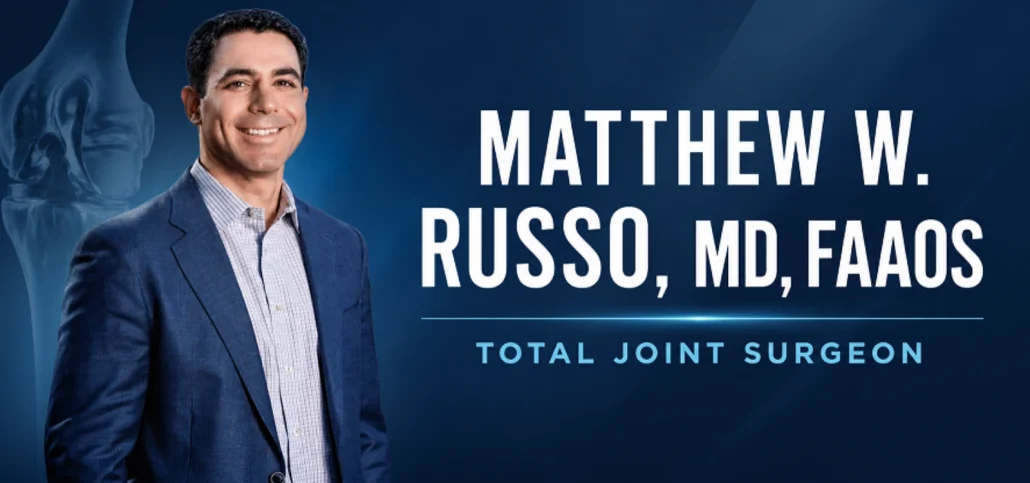
With expertise in revision and complex joint replacement surgery, Dr. Russo helps patients throughout Arizona understand their options and develop personalized treatment plans designed around their goals and lifestyles.
Needing revision surgery can feel overwhelming, but it is important to remember that it is also an opportunity.
Many patients regain comfort, restore mobility, and return to activities they thought they had lost forever. With the right diagnosis, the right treatment plan, and the right surgical team, there is hope for moving forward with confidence.