
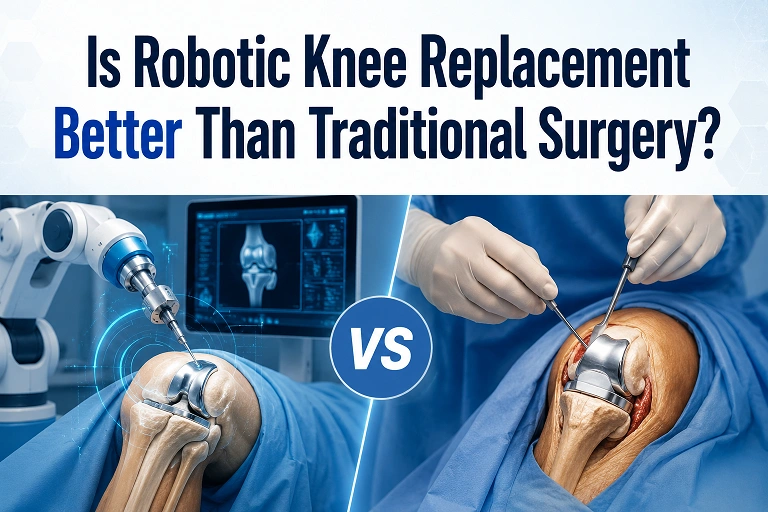
Is Robotic Knee Replacement Better Than Traditional Surgery?
Knee pain messes with pretty much everything you do. Walking, taking the stairs, getting out of a chair—or even trying to sleep—becomes a lot tougher when arthritis settles into your knee. For a lot of people, knee replacement surgery offers real relief and lets them get back to living like they want.
Lately, folks in Arizona are hearing more about a newer approach—robotic knee replacement surgery. And, naturally, everyone wants to know: Is robotic knee replacement actually better than the traditional kind?
Well, it depends. Your condition, what you want out of surgery, and your surgeon’s know-how all play major roles. So let’s break it down in plain language so you can make sense of your options.
Understanding Knee Replacement Surgery
Knee replacement is when a surgeon swaps out the damaged parts of your knee joint—cartilage and bone—with artificial pieces. The aim? Less pain. Better movement. And getting you back to doing the things you love.
Knee replacement is commonly recommended for patients with:
- Severe knee arthritis
- Chronic knee pain
- Joint stiffness
- Difficulty walking
- Reduced quality of life
- Failure of non-surgical treatments
Traditional knee replacements have helped millions and have a solid track record. But with new technology, robotic-assisted knee replacements are popping up everywhere—including Arizona.
What Is Robotic Knee Replacement?
Robotic knee replacement is not a surgery performed by a robot alone. The surgeon remains fully in control throughout the procedure.
The robotic system acts as an advanced surgical tool that helps the surgeon:
- Plan the surgery more precisely
- Customize implant positioning
- Improve alignment
- Protect surrounding tissues
Before surgery, advanced imaging creates a detailed 3D model of the patient’s knee. During the operation, the robotic system helps guide the surgeon with real-time information and accuracy.
The goal is to create a more personalized knee replacement tailored to the patient’s anatomy.
What Is Traditional Knee Replacement?
With traditional knee replacement, surgeons rely on their experience and regular instruments to fit the new knee. It’s worked for decades, and for lots of patients it’s still the best choice—especially with a specialist who knows their stuff.
Traditional surgery remains a highly effective option, especially when performed by a skilled knee replacement specialist.
The Main Difference Between Robotic and Traditional Knee Replacement
The biggest difference is precision.
Robotic-assisted surgery provides the surgeon with advanced technology to improve implant placement and alignment.
Traditional surgery depends more heavily on manual measurements and surgical techniques.
Even small differences in alignment can affect:
- Knee function
- Implant wear
- Recovery experience
- Long-term comfort
That is why robotic technology has gained attention in orthopedic surgery.
Potential Benefits of Robotic Knee Replacement
Many patients are interested in robotic surgery because of its potential advantages.
1. Greater Surgical Precision
One of the biggest advantages of robotic-assisted surgery is improved precision.
The robotic system helps surgeons place the implant more accurately based on the patient’s unique anatomy.
Better alignment may improve:
- Knee movement
- Stability
- Overall comfort
2. More Personalized Surgery
Every knee is different.
Robotic systems allow surgeons to customize the procedure according to:
- Bone structure
- Joint alignment
- Soft tissue balance
This personalized approach may create a more natural-feeling knee after surgery.
3. Smaller Impact on Surrounding Tissue
Robotic systems can help surgeons avoid unnecessary damage to healthy tissues.
Potential benefits may include:
- Less pain after surgery
- Reduced swelling
- Faster early recovery
4. Improved Implant Positioning
Correct implant positioning is extremely important for long-term success.
Poor alignment can sometimes lead to:
- Knee instability
- Uneven wear
- Discomfort
Robotic technology helps improve consistency during surgery.
5. Potentially Faster Recovery
Some patients report:
- Faster walking
- Earlier mobility
- Shorter hospital stays
However, recovery still depends on:
- Overall health
- Physical therapy
- Surgeon experience
- Patient commitment to rehabilitation
Are There Any Disadvantages to Robotic Knee Replacement?
While robotic surgery offers many advantages, patients should also understand potential limitations.
1. Technology Does Not Replace Surgeon Skill
The robot is only a tool.
A successful outcome still depends heavily on:
- The surgeon’s experience
- Surgical judgment
- Proper planning
Choosing an experienced orthopedic surgeon remains the most important factor.
2. Not Every Patient Needs Robotic Surgery
Some patients may achieve excellent results with traditional knee replacement.
Your surgeon will recommend the best option based on:
- Knee condition
- Bone quality
- Deformity severity
- Overall health
3. Availability and Cost
Not every hospital or surgical center offers robotic-assisted knee replacement.
In some cases, costs may vary depending on:
- Insurance coverage
- Surgical facility
- Technology used
Patients should always discuss financial considerations before surgery.
Is Robotic Knee Replacement More Successful?
Current research suggests robotic-assisted surgery may improve:
- Implant alignment
- Surgical accuracy
- Early recovery experience
However, traditional knee replacement still has excellent long-term success rates.
For many patients, both procedures can provide:
- Significant pain relief
- Better mobility
- Improved quality of life
The most important factor is often not the technology itself, but the experience and skill of the surgeon performing the operation.
Who Is a Good Candidate for Robotic Knee Replacement?
You may be a good candidate if you have:
- Advanced knee arthritis
- Chronic knee pain
- Knee deformity
- Difficulty walking
- Failure of injections or therapy
Patients who want a more customized surgical approach may also benefit from robotic-assisted procedures.
A consultation with an orthopedic specialist is the best way to determine the right option for you.
Robotic Knee Replacement Recovery
Recovery after robotic knee replacement is similar to traditional surgery in many ways.
Most patients can expect:
- Walking within a day after surgery
- Physical therapy shortly after surgery
- Gradual improvement over several weeks
Recovery timelines vary, but many patients return to:
- Driving
- Daily activities
- Light exercise
within a few weeks to months.
Following rehabilitation instructions carefully is critical for the best results.
Why Arizona Patients Are Choosing Robotic Knee Replacement
Arizona has a highly active population, including:
- Golfers
- Hikers
- Retirees
- Active adults
Many patients want to remain mobile and independent for as long as possible.
Robotic-assisted knee replacement appeals to patients looking for:
- Precision
- Modern technology
- Faster recovery potential
- Personalized treatment
As technology continues to improve, robotic procedures are becoming more common among orthopedic specialists in Arizona.
Frequently Asked Questions
Is robotic knee replacement less painful?
Some patients experience less pain and swelling after robotic surgery because of improved precision and less tissue disruption. However, pain levels vary from patient to patient.
Does a robot perform the surgery by itself?
No. The surgeon performs the surgery. The robotic system only assists with planning and accuracy.
Is robotic knee replacement safer?
Robotic systems are designed to improve surgical precision and consistency. However, safety also depends on the surgeon’s expertise and the patient’s overall health.
How long does robotic knee replacement last?
Modern knee implants can last 15–20 years or longer. Long-term success depends on implant quality, alignment, activity level, and overall health.
Is robotic surgery covered by insurance?
In many cases, yes. Coverage depends on your insurance provider and specific plan. Patients should confirm coverage before surgery.
Can older adults have robotic knee replacement?
Yes. Many older adults are good candidates if they are healthy enough for surgery.
What Should You Do Next?
If knee pain is limiting your daily activities and reducing your quality of life, it may be time to speak with an orthopedic specialist.
Both robotic and traditional knee replacement can provide excellent results when performed by an experienced surgeon. The best approach depends on your specific condition, lifestyle, and treatment goals.
A proper evaluation can help determine:
- Whether surgery is needed
- Which procedure is best for you
- What type of recovery to expect
Looking for the Best Knee Replacement Surgeon Near Arizona?
Choosing the right surgeon is one of the most important decisions you can make.
If you are searching for an experienced knee replacement specialist in
Arizona, you should consider consulting Matthew Russo, MD.
An experienced orthopedic surgeon can help you:
- Understand your treatment options
- Decide if robotic knee replacement is right for you
- Develop a personalized surgical plan
- Return to a more active and pain-free life
Robotic knee replacement is an exciting advancement in orthopedic surgery that offers greater precision and a more personalized approach for many patients.
However, technology alone does not guarantee success.
The best outcomes come from:
- Proper diagnosis
- Experienced surgical care
- Patient commitment to recovery
- A treatment plan tailored to individual needs
Whether you choose robotic or traditional knee replacement, the goal remains the same:
Helping you move comfortably, reduce pain, and improve your quality of life.

